Chinese Evergreen Plant Care: Light, Watering, Pink Varieties and Blooms
The Chinese evergreen plant (Aglaonema) is one of the easiest houseplants you can grow: give it medium to low indirect light, water when the top inch or two of soil is dry, and keep it above 60°F. Solid green and silver types handle dim corners, while pink and red types need brighter light to hold their color. Keep it away from pets, because every part of the plant is toxic to cats and dogs.
This guide covers Chinese evergreen care step by step: light by variety, watering, cold limits, why your plant is flowering and whether to cut the bloom, plus a quick fix list for yellow or curling leaves.
Chinese evergreen care at a glance
| Need | What it likes | Watch out for |
|---|---|---|
| Light | Medium to low indirect light for green types, bright indirect light for pink and red types | Direct sun scorches the leaves |
| Water | Water when the top 1 to 2 inches of soil are dry | Soggy soil causes root rot |
| Temperature | 68 to 80°F is ideal | Leaves can be damaged below about 50°F |
| Humidity | Average home humidity is fine, more is welcome | Very dry air can cause brown tips |
| Soil | Well draining potting mix in a pot with drainage holes | Heavy soil that stays wet |
| Fertilizer | Light feeding in spring and summer | Too much burns leaf edges |
| Pets | Not pet safe | Toxic to cats, dogs and horses |
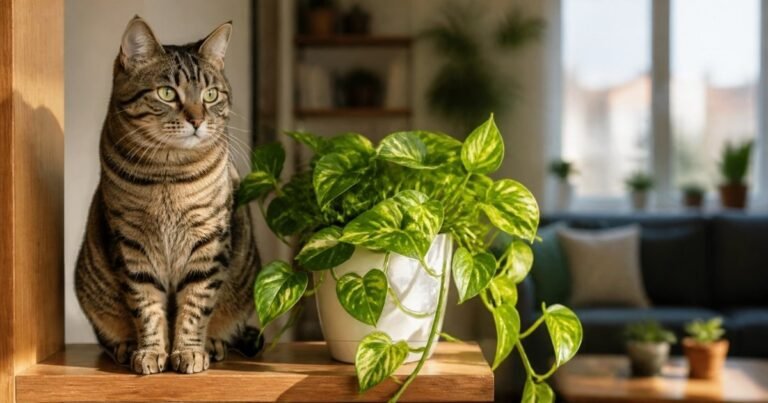
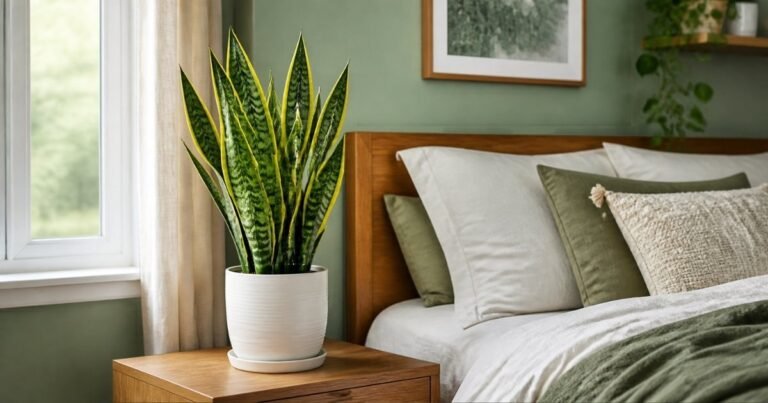
If you are still choosing a first plant, Chinese evergreen sits alongside pothos and snake plants on our list of the easiest indoor plants to keep alive.
What is a Chinese evergreen plant?
Chinese evergreen is the common name for Aglaonema, a group of leafy tropical plants in the arum family (Araceae), the same family as peace lilies and pothos. They grow as upright clumps of oval, pointed leaves, often patterned with silver, cream, pink or red. Indoors most plants stay between 1 and 3 feet tall, which makes them a good fit for apartments, desks and shelves.
Older green types such as Aglaonema modestum and ‘Silver Bay’ have been grown as office plants for decades. Newer hybrids like ‘Red Valentine’, ‘Siam Aurora’ and ‘Lady Valentine’ are bred for bright pink and red foliage. Care is the same for all of them, with one big difference: light.
Light: green vs pink and red varieties
The amount of color in the leaves tells you how much light the plant needs. Darker green leaves have more chlorophyll, so they can keep growing in lower light. Pink and red leaves have less green tissue and need more light to stay healthy and colorful. Clemson Cooperative Extension notes that solid green cultivars tolerate low light while variegated types prefer low to moderate bright indirect light.
| Variety type | Examples | Best spot indoors |
|---|---|---|
| Dark green | Aglaonema modestum, ‘Emerald Beauty’ | North window, or several feet back from an east window |
| Green and silver | ‘Silver Bay’, ‘Maria’, ‘Silver Queen’ | Medium indirect light, a few feet from an east or west window |
| Pink and red | ‘Red Valentine’, ‘Lady Valentine’, ‘Siam Aurora’ | Bright indirect light near an east window or behind a sheer curtain on a south or west window |
Signs your plant wants more light: pink leaves fading to green, slow growth, and long, leaning stems. Signs it is getting too much: pale, bleached patches or crispy brown spots on the side facing the window. In a dark apartment, a small LED grow light on a timer for 10 to 12 hours a day works well for the pink types.
How to water a Chinese evergreen
Overwatering kills more Chinese evergreens than anything else. The roots need air, and soil that stays wet for days leads to root rot. Use this routine instead of a fixed schedule:
- Push a finger into the soil. If the top 1 to 2 inches feel dry, it is time to water. If you find finger checks hard to judge, a cheap moisture meter takes out the guesswork.
- Water slowly until water runs out of the drainage holes.
- Empty the saucer after 15 minutes so the roots are not sitting in water.
- Wait until the top inch or two dries again before the next watering.

In spring and summer that often works out to every 7 to 10 days in a warm room. In winter, growth slows and the soil dries more slowly, so you may water only every 2 to 3 weeks. Room temperature water is best, since cold water can shock tropical roots.
Pot and soil
Use a pot with drainage holes. A general indoor potting mix with a few handfuls of perlite or orchid bark added drains well and still holds some moisture. Repot every 2 to 3 years in spring, moving up only 1 to 2 inches in pot size. An oversized pot holds extra wet soil around the roots, which raises the risk of rot. If you already see mushy roots, follow our guide to fixing root rot in indoor plants.
Temperature, humidity and feeding
Chinese evergreens come from warm, humid forest floors in tropical Asia, so cold is their weak spot. Clemson lists 68 to 80°F as ideal and warns the plants are sensitive to chilling below 50°F, and UF/IFAS Extension notes that temperatures below 45°F can injure the foliage. In practice, keep the plant away from drafty doors, cold windows in winter and air conditioning vents.
Normal home humidity is usually fine. If the air is very dry in winter and you see brown tips, group plants together or set the pot on a pebble tray. Feed with a balanced liquid houseplant fertilizer at half strength about once a month in spring and summer, and skip feeding in fall and winter. Too much fertilizer shows up as burnt, brown leaf edges.
Chinese evergreen pink varieties
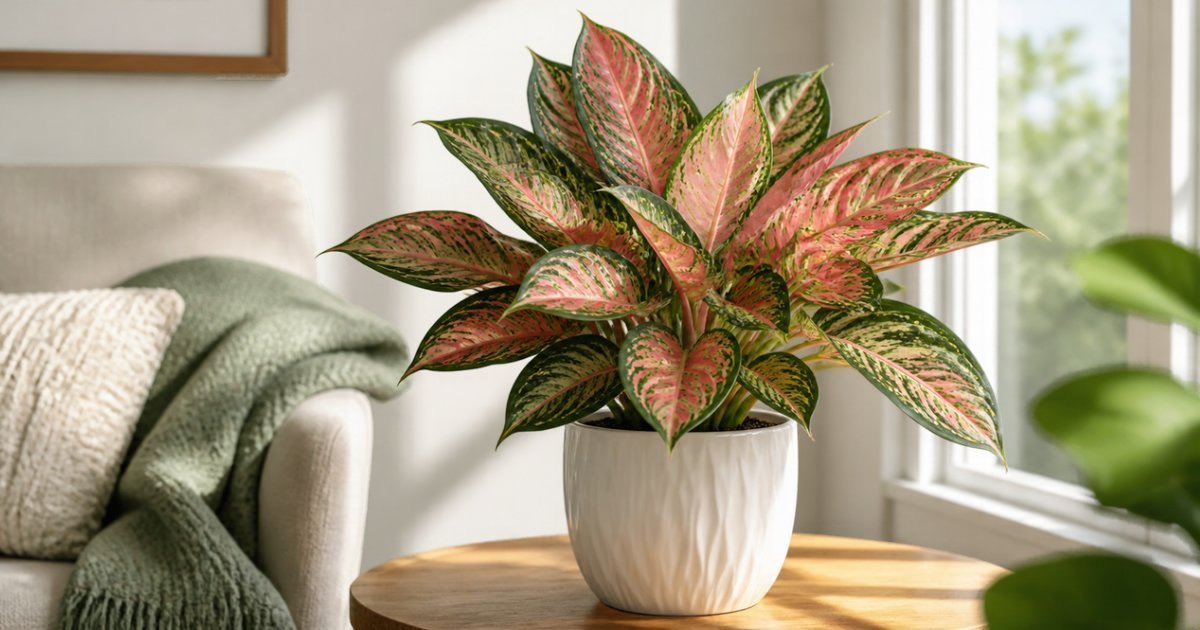
Chinese evergreen pink varieties are just as easy as the green ones once you give them enough light. A few popular choices:
- ‘Lady Valentine’: soft pink leaves with green speckled edges, one of the most common in garden centers.
- ‘Red Valentine’: deeper pink to red leaves with a green border.
- ‘Siam Aurora’: green leaves with bold red edges and midribs, more tolerant of lower light than the solid pink types.
- ‘Pink Dalmatian’: dark green leaves splashed with pink spots.
Pink types prefer the warmer end of the range and do best above 65°F. If a pink plant is losing color, move it closer to a bright window or add a grow light before changing anything else.
Chinese evergreen bloom: why it flowers and should you cut it?
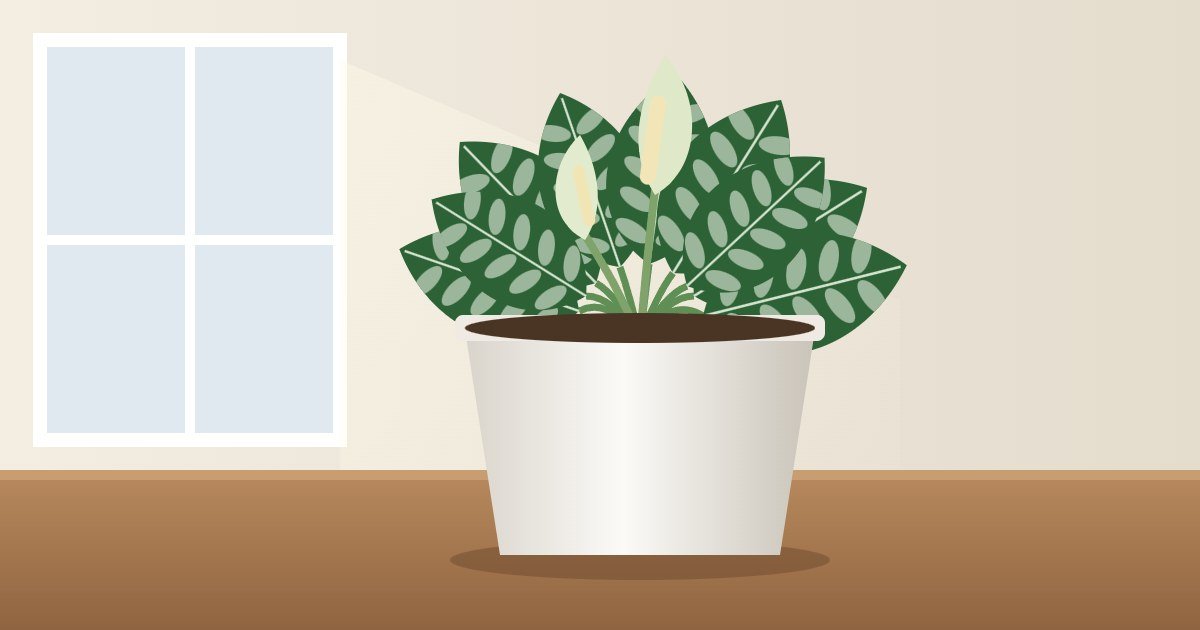
A Chinese evergreen bloom looks like a small, pale green or cream peace lily flower. It has a hood called a spathe wrapped around a spike called a spadix. According to UF/IFAS the flowers are inconspicuous and appear mostly in summer, and they can be followed by red berries. A bloom is usually a sign of a mature, healthy plant that is getting enough light.
Should you cut it off? It is your choice. The flower does not harm the plant, but making flowers and seeds uses energy that would otherwise go into new leaves. Most growers grow Aglaonema for the foliage, so they snip the flower stalk at its base with clean scissors once it appears or after it fades. Wear gloves, since the sap can irritate skin, and keep any berries away from pets and children.
Is Chinese evergreen toxic to pets?
Yes. The ASPCA lists Chinese evergreen as toxic to dogs, cats and horses. The plant contains insoluble calcium oxalate crystals, which cause mouth irritation, pain and swelling of the mouth, tongue and lips, drooling, vomiting and trouble swallowing if chewed. Place it on a high shelf or in a room pets cannot reach, and call your vet or the ASPCA Animal Poison Control Center at (888) 426-4435 if you think your pet ate some. For a pet friendly option with similar patterned leaves, look at a prayer plant, which the ASPCA lists as non-toxic.
Common Chinese evergreen problems and fixes
| Problem | Likely cause | Fix |
|---|---|---|
| Yellow lower leaves, wet soil | Overwatering or poor drainage | Let soil dry further between waterings, check roots, repot into fresh mix if roots are mushy |
| Yellow leaves, dry soil | Underwatering or old leaves dying naturally | Water thoroughly; one old leaf yellowing now and then is normal |
| Leaves curling inward | Cold drafts, very dry soil or very dry air | Move away from vents and cold windows, water when the top inches are dry |
| Brown, crispy tips | Dry air, fertilizer buildup or irregular watering | Raise humidity, flush the soil with water every few months, feed less |
| Brown or bleached patches | Direct sun scorch | Move out of direct sun into bright indirect light |
| Pink leaves turning green | Too little light | Move closer to a window or add a grow light |
| Leggy, leaning stems | Low light or an older plant | Rotate the pot, give more light, or cut back and root the tops |
| Cottony white spots or fine webbing | Mealybugs or spider mites | Wipe leaves, isolate the plant, treat with insecticidal soap |
Common mistakes to avoid
- Watering on a strict weekly schedule without checking the soil first.
- Using a pot with no drainage hole, or a pot far too big for the roots.
- Putting a pink variety in a dark corner and expecting it to keep its color.
- Leaving the plant against a cold window in winter.
- Feeding at full strength every watering.
How to propagate a Chinese evergreen
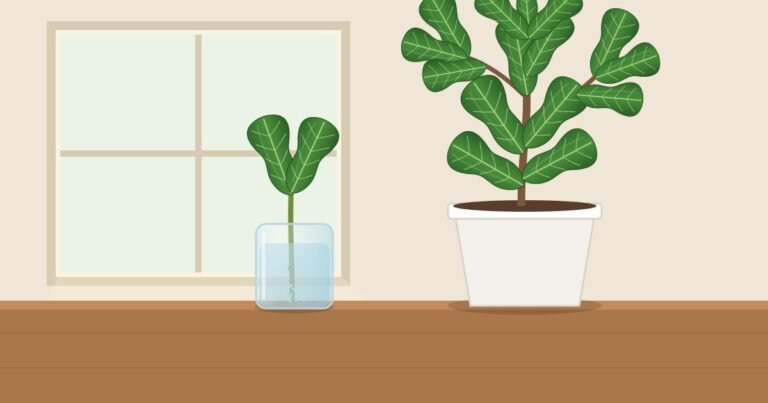
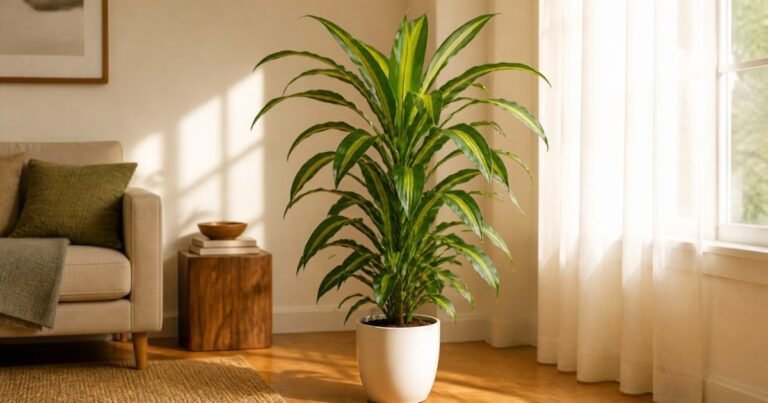
The easiest method is division when you repot. Slide the plant out, gently pull apart a clump that has its own roots and a few stems, and pot each piece in fresh mix. You can also cut a 4 to 6 inch stem tip just below a leaf node, root it in a glass of water in bright indirect light, and pot it up once the roots are an inch or two long. This works well for older plants that have grown tall and bare at the base. For more easy foliage plants that grow from cuttings, see our dracaena care guide or browse all our houseplant care guides.
FAQ
Can a Chinese evergreen survive in low light?
Yes, especially dark green and silver types. They grow slowly in low light but stay healthy. Pink and red types need bright indirect light to keep their color.
How often should I water a Chinese evergreen?
Water when the top 1 to 2 inches of soil are dry. That is often every 7 to 10 days in summer and every 2 to 3 weeks in winter, but always check the soil first.
Why are my Chinese evergreen leaves turning yellow?
The most common cause is overwatering, especially when the lower leaves yellow and the soil stays wet. Cold drafts, underwatering and natural aging of old leaves are other causes.
Is Chinese evergreen a good bedroom or office plant?
Yes. It tolerates average indoor temperatures, dry air and lower light, which makes it a common office plant. Just keep it out of reach of pets.
How big does a Chinese evergreen get?
Most indoor plants reach 1 to 3 feet tall and about as wide, growing slowly over several years.
Does Chinese evergreen need direct sunlight?
No. Direct sun can scorch the leaves. Bright indirect light is the most it needs, and green types are happy with much less.