How to Care for an Aloe Vera Plant Indoors: Light, Water, Soil and Problems
Here is how to care for an aloe vera plant indoors in one line: give it at least six hours of bright light, plant it in gritty cactus mix in a pot with drainage holes, and water deeply only when the soil is completely dry. Most indoor aloes die from too much water, not too little, so when in doubt, wait a few more days.
This guide covers everything you need to know about how to care for an aloe vera plant in an apartment or small home: a quick care table, a watering schedule by season and pot type, how to tell a mushy overwatered aloe from a wrinkled thirsty one, how to handle pups and repotting, and whether aloe is safe around cats and dogs.
Aloe Vera Care at a Glance
| Need | What aloe vera wants |
|---|---|
| Light | Bright light, ideally 6+ hours a day. A south or west window is best indoors. |
| Water | Soak thoroughly, then wait until the soil is completely dry. Less often in winter. |
| Soil | Fast-draining cactus or succulent mix, or potting soil cut with sand and perlite. |
| Pot | Terracotta or clay with at least one drainage hole, only slightly wider than the roots. |
| Temperature | Normal room temperatures. Keep it away from frost and cold drafts. |
| Humidity | Average home humidity is fine. No misting needed. |
| Fertilizer | Optional. Once in spring with a diluted houseplant or cactus fertilizer. |
| Repotting | About every two years, or when pups crowd the pot. |
| Pets | Toxic to cats, dogs and horses if eaten (ASPCA). |
How to Care for an Aloe Vera Plant: Light
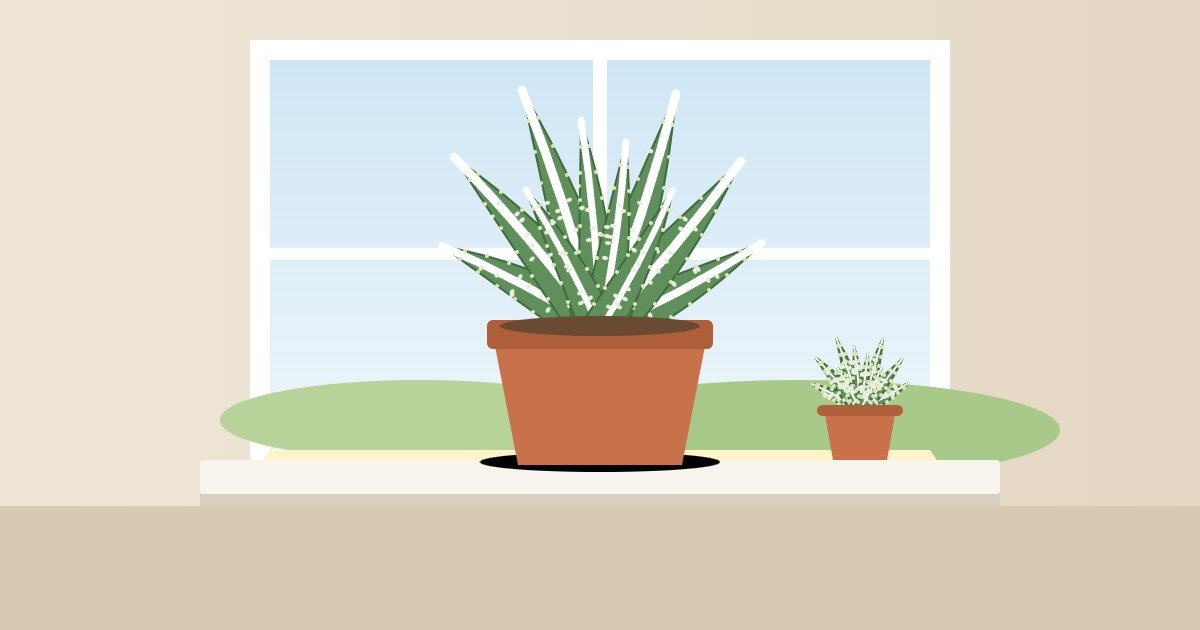
Light is the part most indoor growers get wrong after watering. Aloe is a desert succulent, and NC State Extension lists it for full sun (six or more hours of direct sun) to partial shade. Indoors, that translates to the brightest spot you have.
- Best spot: a south or west facing window, right at the glass.
- Good spot: an east window with strong morning sun.
- Too dark: a north window or anywhere more than a few feet back from the glass.
- Rotate the pot a quarter turn every week or two so it grows upright instead of leaning toward the window.
Signs of too little light: leaves stretch thin, flop outward, turn pale, and the rosette opens up instead of staying compact. Signs of too much sudden sun: leaves turn reddish brown or orange, sometimes with dry, bleached patches. If you move an aloe from a dim room to a hot window or outdoors for summer, do it over a week or two so it can adjust.
If your apartment simply does not get much sun, a full-spectrum LED grow light works well. Place it about 6 to 12 inches above the plant and run it 12 to 14 hours a day on a timer. Our guide to the easiest indoor plants for low light has better options if you do not want to add a light.
Watering: The Part That Makes or Breaks Your Aloe
Aloe stores water in its thick leaves, so it is built to go weeks without a drink. The rule from NC State is simple: allow the soil to dry completely between waterings, and water less in winter. Penn State Extension adds that you should water thoroughly when you do water, and err on the side of underwatering.
How to water aloe vera, step by step
- Push a finger or a wooden skewer 2 inches into the soil. If any moisture or soil sticks to it, wait.
- When it comes out dry, water slowly until it runs out of the drainage hole.
- Let the pot drain fully. Empty the saucer after 10 to 15 minutes so the roots never sit in water.
- Do not water again until the soil is dry all the way through. Lifting the pot helps: a dry pot feels noticeably lighter.
Aloe vera watering schedule by season and pot type
Use this as a starting point only. Your soil test always wins over the calendar, because light, pot size and room temperature change how fast the mix dries.
| Season | Terracotta pot | Plastic or glazed pot |
|---|---|---|
| Spring and summer (active growth) | About every 2 to 3 weeks | About every 3 to 4 weeks |
| Fall | About every 3 to 4 weeks | About every 4 to 5 weeks |
| Winter (slow growth) | About once a month, sometimes less | Every 5 to 6 weeks, sometimes less |
| Under a grow light or in a hot window | Check weekly, it may dry faster | Check every 1 to 2 weeks |
Terracotta breathes and wicks moisture out of the soil, so it dries faster and is more forgiving if you tend to overwater. Plastic and glazed ceramic hold water longer, which can help if you travel a lot, but makes rot more likely if you water on a fixed schedule.
Soil and Pots for Aloe Vera
Regular potting soil holds too much water for aloe on its own. Use a bagged cactus and succulent mix, or make your own. Penn State suggests equal parts potting soil, sand and perlite (or lava rock), in a pot with large drainage holes.
- Pot material: unglazed terracotta or clay. NC State notes clay is best and the pot should have drainage holes.
- Pot size: only slightly bigger than the root ball. Penn State recommends about 1 to 1.5 inches of space between the roots and the pot edge. Too much extra soil stays wet and invites rot.
- Weight: mature aloes get top-heavy. A heavier clay pot keeps them from tipping over.
- No drainage hole? Do not plant directly in it. Use it as a cover pot and set a plastic nursery pot inside.
If you are shopping, a bag of succulent potting mix and a terracotta pot with a drainage hole are the two purchases that make the biggest difference.
Temperature, Humidity and Fertilizer
Normal indoor temperatures suit aloe well. The main risk is cold. Penn State is clear that aloes are not frost tolerant, and NC State only rates aloe as an outdoor perennial in USDA zones 10 and warmer. If you put yours on a balcony for summer, bring it in before nights get chilly in fall, and keep indoor plants away from drafty windows and doors in winter.
Aloe does not need extra humidity. Dry apartment air is fine, and misting only leaves water sitting in the rosette.
Feeding is optional. A light feed once in spring with a houseplant or cactus fertilizer diluted to half strength is plenty. Skip fertilizer in fall and winter when the plant is barely growing.
Mushy vs Wrinkled Leaves: How to Diagnose Your Aloe
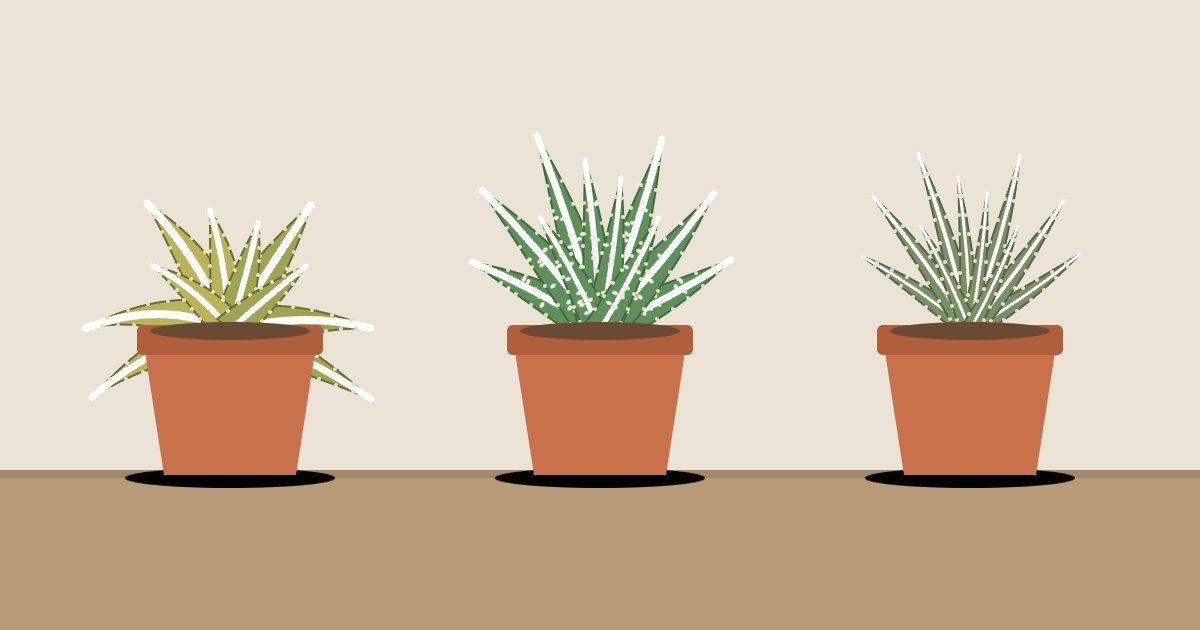
Aloe leaves tell you exactly what is wrong if you know how to read them. The two most common problems look different, and the fixes are opposite, so check carefully before you reach for the watering can.
| Symptom | Likely cause | What to do |
|---|---|---|
| Soft, mushy, translucent leaves, often yellow or brown at the base | Overwatering or soggy soil, possibly root rot | Stop watering. Unpot and check the roots. Trim black, mushy roots and repot in dry cactus mix. |
| Thin, wrinkled, curling or concave leaves that feel deflated | Underwatering, or roots that cannot take up water | Water deeply. Leaves should plump up within a few days. If not, check the roots. |
| Leaves turning red, orange or brown | Sun stress from a sudden move into strong light | Move it back a little and reintroduce bright light gradually. |
| Pale, stretched leaves flopping outward | Not enough light | Move closer to a sunny window or add a grow light. |
| Dry brown leaf tips | Usually old age, underwatering or sun stress | Trim the dead tip with clean scissors if you like. It will not grow back green. |
| White cottony spots between leaves | Mealybugs | Dab them off with cotton swabs dipped in rubbing alcohol and isolate the plant. |
A mushy stem or center is the serious one. If the base of the rosette has turned soft and dark, the plant usually cannot be saved, but healthy pups or the firm upper part may still root. Our step-by-step guide to fixing root rot in indoor plants walks through unpotting, trimming and repotting.
Common Aloe Vera Care Mistakes
- Watering on a weekly schedule. Water by soil dryness, never by the calendar.
- Pots without drainage holes. Water collects at the bottom and rots the roots.
- Using plain potting soil. It stays wet for too long. Always mix in grit.
- Too big a pot. Extra soil means extra moisture the roots cannot use.
- A dim corner. Aloe will survive for a while, but it slowly stretches and weakens.
- Moving it straight into full outdoor sun. This scorches leaves that grew indoors. Acclimate it over one to two weeks.
- Leaving it out in the cold. Frost kills aloe, and cold plus wet soil is a fast route to rot.
Aloe Vera Pups and Repotting
Healthy aloes send up small offsets, called pups, around the base. NC State notes aloe spreads by offsets and is propagated by division, so pups are the easiest way to get new plants. Pups are also a sign the pot is getting crowded.
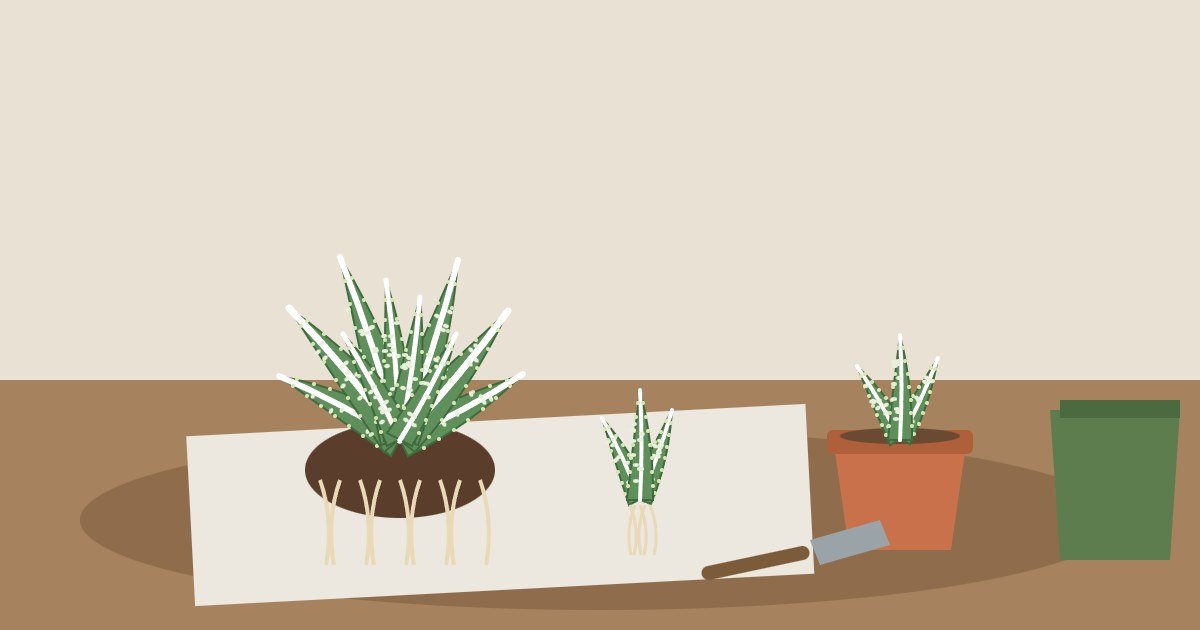
How to separate and pot aloe pups
- Wait until a pup is a few inches tall with several leaves of its own. Spring and summer are best.
- Water lightly a day or two before so the root ball slides out more easily.
- Tip the mother plant out of its pot and brush away soil to see where the pup joins.
- Gently pull the pup free, or cut the connecting root with a clean knife, keeping as many of its own roots as possible.
- Let the pup sit somewhere dry and shaded for a day or two so any cut surface calluses.
- Pot it in dry cactus mix in a small pot with drainage. Wait about a week before the first watering, then care for it like an adult plant.
The same callus-first approach works for other succulents too. If you also grow jade, see how to propagate a jade plant for leaf and stem cuttings.
When to repot the mother plant
Penn State suggests repotting aloe about every two years. Other signs it is time: roots growing out of the drainage hole, the plant tipping over, or pups packed around the edge. Go up only one pot size, use fresh cactus mix, and wait about a week before watering so any broken roots can heal.
Is Aloe Vera Safe for Cats and Dogs?
No. The ASPCA lists aloe as toxic to dogs, cats and horses. The toxic compounds are saponins and anthraquinones, and the clinical signs listed are vomiting (not in horses), lethargy and diarrhea. The gel inside the leaf is considered edible, but the yellow latex just under the skin is the irritating part. NC State also flags aloe as a problem for cats, dogs and horses, and notes the latex can irritate human skin.
- Keep aloe on a high shelf or in a room pets cannot reach.
- Pick up any fallen or trimmed leaves right away.
- If you think your pet chewed aloe, call your vet or the ASPCA Animal Poison Control Center at (888) 426-4435.
If you share your home with cats, our houseplant care guides include pet safety notes for each plant.
Aloe Vera Care FAQ
How often should I water an aloe vera plant indoors?
Only when the soil is completely dry. For most homes that works out to every 2 to 4 weeks in spring and summer and roughly once a month or less in winter, but always check the soil first.
Does aloe vera need direct sunlight?
It grows best with at least six hours of bright light, and some direct sun is welcome. Indoors, a south or west window is ideal. Introduce strong outdoor sun gradually to avoid sunburn.
What does an overwatered aloe vera look like?
Leaves become soft, mushy and sometimes translucent, often yellowing or browning near the base. The soil stays damp for days, and the roots may be black and slimy.
Should I cut the brown tips off my aloe?
You can trim dry brown tips with clean scissors for looks. The cut part will not turn green again. If a whole leaf is dead or mushy, remove it at the base.
Can I grow aloe vera from a leaf cutting?
Rarely. Aloe leaves are so full of water that they tend to rot before they root. Pups are the reliable way to propagate aloe.
Why is my aloe vera turning brown or red?
Usually sun stress after a sudden move into bright light, or underwatering. Mushy brown leaves point to overwatering instead. Use the diagnosis table above to tell them apart.