Is Basil Toxic to Cats? Safe Herbs vs Herbs to Avoid
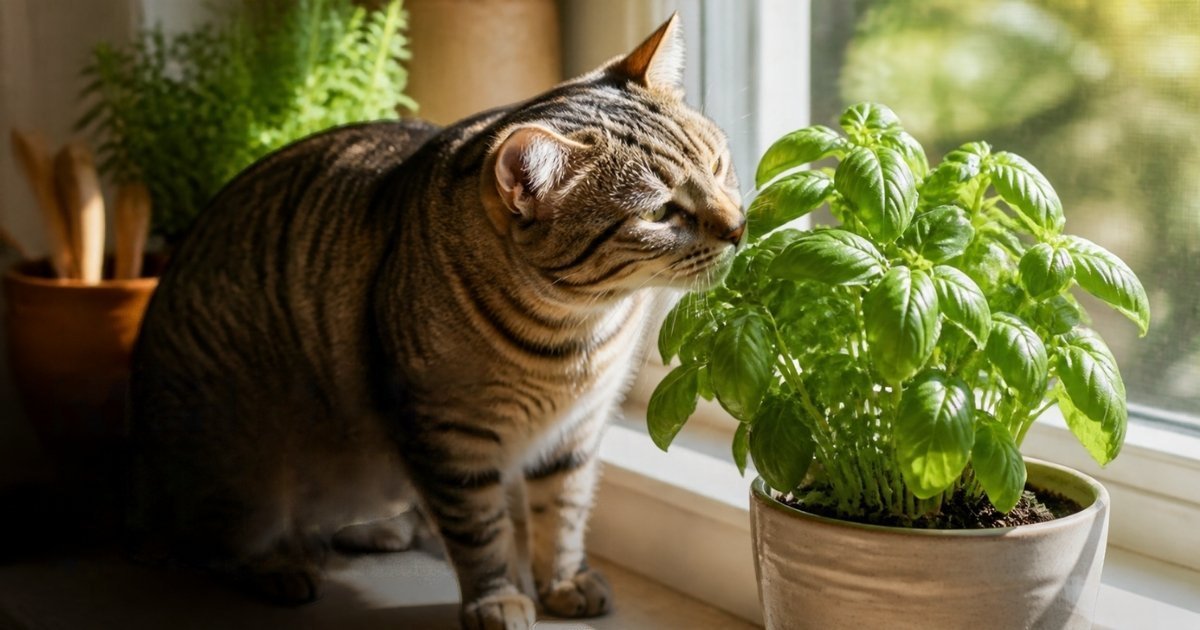
Is basil toxic to cats? No. The ASPCA lists basil (Ocimum basilicum) as non-toxic to cats and dogs, so a chewed leaf is rarely a cause for concern. The real risks are basil essential oil, garlicky foods like pesto, and the herbs that often grow beside basil, including mint, oregano, parsley and chives, which the ASPCA does list as toxic.
Below you will find a safe vs toxic herb table, what to do if your cat eats something from your windowsill, and a simple way to grow herbs in a home with cats.
Is Basil Toxic to Cats? What the ASPCA Says
The ASPCA’s plant database is a good first stop for US pet owners. Its basil entry covers sweet basil and marks it non-toxic to both cats and dogs, with no toxic compounds or clinical signs listed.
Non-toxic does not mean your cat should graze on it. Cats are obligate carnivores and get what they need from meat-based food, so basil adds nothing essential to their diet. A few nibbled leaves are unlikely to do anything, but a large amount of any leafy plant can still cause vomiting or loose stools because a cat’s stomach is not built for it.
Can Cats Eat Basil? It Depends on the Form
Cats can eat a small amount of plain basil leaf. The answer changes once basil is concentrated or mixed with other ingredients.
| Form of basil | Safe for cats? | Why |
|---|---|---|
| Fresh leaves | Yes, in small amounts | Listed as non-toxic. Too much may still upset the stomach. |
| Dried basil | A stray flake is fine | Same plant, but there is no reason to offer it as a treat. |
| Pesto | No | Traditional pesto contains garlic, which is toxic to cats, plus a lot of oil and salty cheese. |
| Pasta sauce, pizza, seasoned food | No | These dishes often contain garlic or onion, and seasoning blends may include oregano. |
| Basil essential oil | No | Concentrated oils are a separate hazard for cats. See the section below. |
Safe Herbs vs Herbs to Avoid for Cats
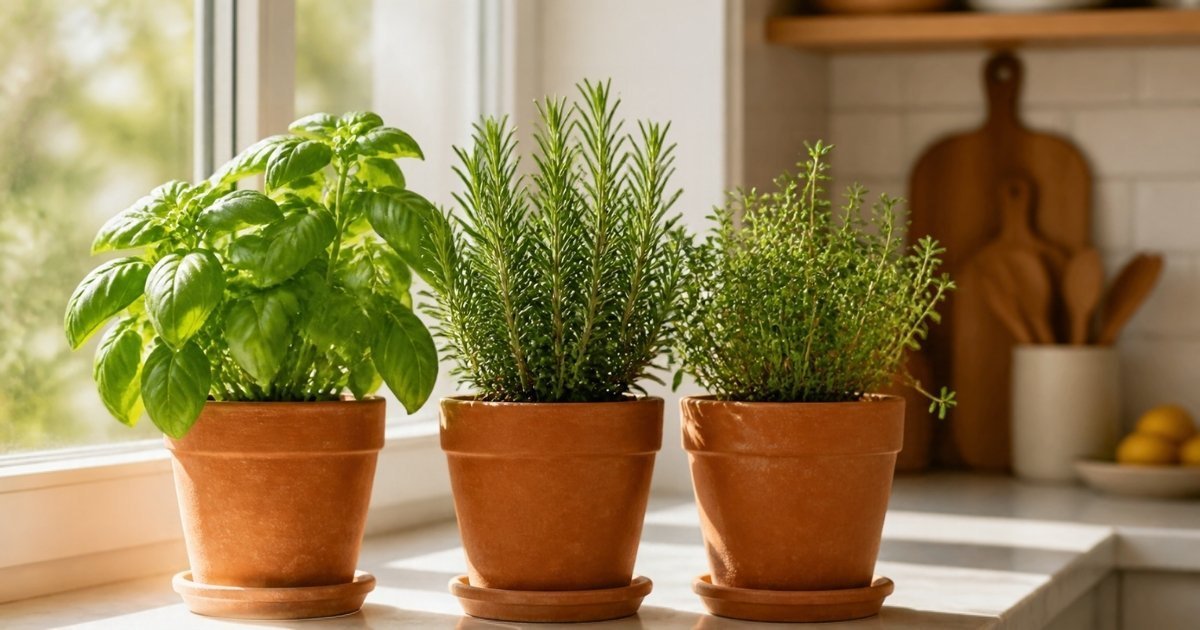
Here is how common kitchen herbs are listed by the ASPCA. Basil, mint, oregano, rosemary, thyme and sage all belong to the mint family, yet their listings differ, so check each herb by name.
| Herb | ASPCA listing for cats | Main concern |
|---|---|---|
| Basil | Non-toxic | None listed |
| Rosemary | Non-toxic | None listed |
| Thyme | Non-toxic | None listed |
| Sage | Non-toxic | None listed |
| Dill | Non-toxic | Skin irritation with prolonged contact |
| Mint | Toxic | Vomiting and diarrhea, typically after large amounts |
| Oregano (Greek) | Toxic | Mild vomiting and diarrhea |
| Parsley | Toxic | Sunburn-like skin irritation, but large amounts are needed |
| Lemongrass | Toxic | Stomach upset |
| Catnip | Toxic | Vomiting and diarrhea if eaten; can also sedate or stimulate |
| Chives | Toxic | Vomiting and destruction of red blood cells (hemolytic anemia) |
| Garlic | Toxic | Vomiting and destruction of red blood cells (hemolytic anemia) |
“Toxic” covers a wide range here. Chives and garlic are the ones to take most seriously, because they can damage red blood cells. Mint, oregano and lemongrass mostly cause stomach trouble, and the ASPCA notes that parsley takes a large amount to cause problems.
Catnip often surprises people, since it is sold for cats. The ASPCA lists it as toxic because eating it can cause vomiting and diarrhea, so if you offer it, keep it to small amounts and ask your vet if your cat seems sensitive to it.
Why Basil Essential Oil Is a Different Story
A plant can be safe as a leaf while its essential oil is not. Texas A&M’s veterinary school includes basil oil on its list of essential oils that are toxic to pets, along with rosemary, thyme, mint, lemongrass and oregano oils.
Diffusers add to the risk. Cats can inhale the oil, it can settle on their fur and get swallowed during grooming, and a tipped diffuser can leave oil within reach. Signs of essential oil exposure described by Texas A&M and the veterinary charity PDSA include:
- Drooling, vomiting or diarrhea
- Watery eyes and nose, or trouble breathing
- Tremors or unsteady, “drunk” walking
- Lethargy, slowed breathing or collapse
- Seizures in serious cases
Move your cat to fresh air and call a vet right away if you suspect exposure, even if your cat looks fine. Keep the bottle so you can tell the vet which oil was involved and how concentrated it was.
What to Do If Your Cat Ate Basil or Another Herb
- Identify the plant. Check the pot label or take a photo. If you are unsure which herb it was, treat it as a possible toxic plant.
- Move the plant away and remove any leaves left near your cat.
- Check what else was involved. Note any sauce, seasoning, oil, fertilizer or pest spray, since these can matter more than the leaf.
- Do not try to make your cat vomit unless a vet tells you to.
- Follow the table below and call for advice if you are in any doubt.
| What your cat ate | What to watch for | What to do |
|---|---|---|
| Plain basil, rosemary, thyme or sage | Mild vomiting or loose stools | Watch at home. Call your vet if symptoms repeat or your cat stops eating. |
| Mint, oregano, parsley, lemongrass or a lot of catnip | Vomiting, diarrhea, skin irritation | Call your vet or a poison helpline, especially after a large amount. |
| Chives, garlic, onion or food containing them | Vomiting, weakness, panting, fast heart rate, blood in urine | Call your vet right away, even if your cat seems normal. |
| Any essential oil | Drooling, vomiting, tremors, breathing trouble | Call your vet right away. |
Two US hotlines are open for pet poisoning questions: ASPCA Animal Poison Control at (888) 426-4435 and Pet Poison Helpline at (855) 764-7661. A consultation fee may apply. This guide is general information and does not replace advice from your own vet.
How to Set Up a Cat-Safe Herb Garden
You do not have to choose between fresh herbs and a curious cat. A small windowsill setup works well if you plan what goes where.
- Pick herbs from the non-toxic list. Basil, rosemary, thyme, sage and dill are a good starting group. An indoor herb kit is an easy way in, but read the seed list first, because many kits include parsley, mint, chives or oregano.
- Give them your brightest window. Our indoor herb garden guide covers light, pots and watering if you are new to growing herbs.
- Use heavy pots with saucers. Terracotta is harder to knock over than a lightweight plastic pot, which matters on a narrow sill.
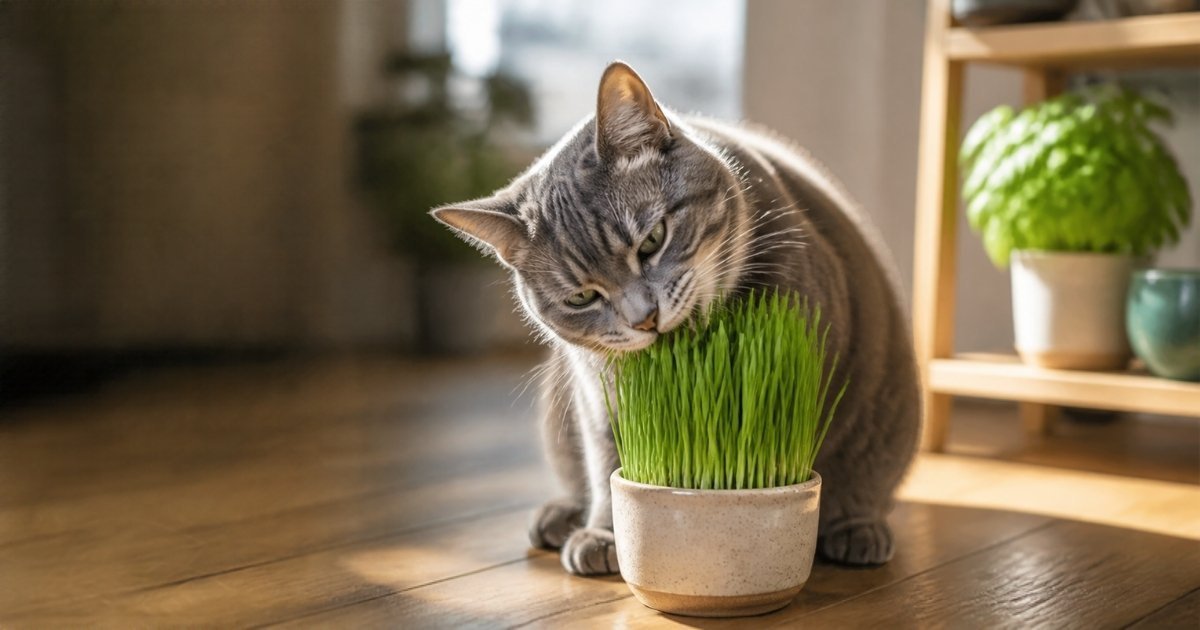
- Give your cat its own plant. A cat grass kit usually grows oat, wheat or barley grass in about a week or two. Set it somewhere easy to reach and away from your herbs, so chewing greens has a place to happen.
- Keep toxic herbs out of the shared space. Cats climb, so a high shelf is not a guarantee. Grow mint, oregano and parsley in a room your cat cannot enter, or on a closed-off balcony. Skip chives and garlic indoors if your cat chews plants.
- Read product labels. Before using fertilizer or pest sprays on herbs your cat can reach, check the label for pet warnings.
Common Mistakes to Avoid
- Assuming related herbs are equally safe. Basil and mint are in the same family, but only basil is listed as non-toxic.
- Planting mixed herb pots. A pot of basil and chives puts a toxic plant right beside a safe one, and a nibbling cat will not sort them out.
- Treating “natural” as safe. Herbal sprays, diffusers and home remedies made with essential oils can harm cats.
- Leaving pesto within reach. Cats can lick plates and spoons, and the garlic is the issue, not the basil.
- Waiting for symptoms after garlic or chives. Call for advice as soon as you know your cat ate some.
Checking other plants in your home? Read our guides on whether pothos is toxic to cats and whether monstera is toxic to cats, or browse more in Herb Gardening and Houseplant Care.
FAQ
Can cats eat basil every day?
There is no need to offer it. Basil is non-toxic, but it provides nothing your cat needs from a complete cat food, and regular large helpings could upset its stomach. An occasional nibble from a plant is fine.
Is basil like catnip for cats?
No. Basil does not contain nepetalactone, the compound that gives catnip its effect, so most cats will not react to it the same way. Some cats simply like chewing its soft leaves.
Are all types of basil safe for cats?
The ASPCA listing names sweet basil, Ocimum basilicum, which includes common types such as Genovese. Holy basil, or tulsi, is a different species, Ocimum tenuiflorum, so ask your vet if your cat chews on that one.
Is basil oil safe to diffuse around cats?
It is best avoided. Texas A&M includes basil among the essential oils toxic to pets, and diffusers can expose cats through the air and through their fur. If you do use a diffuser, keep your cat out of that room and ask your vet first.
Is basil safe for dogs too?
Yes. The ASPCA lists basil as non-toxic to dogs as well as cats. The same warnings about garlic in pesto and concentrated oils apply.